Support for deer stalkers and managers
Deer stalkers and managers play an important role in helping to protect and conserve the landscape of the High Weald.
Without skilled stalkers managing deer, woodlands cannot thrive and farmland crops are at risk of damage. Stalkers also make sure that we have delicious wild venison on our tables.
We offer a range of support for stalkers, from training and networking to shared facilities and funding.
Training and events
We run practical, low-cost training and get-togethers for stalkers and deer managers throughout the year.
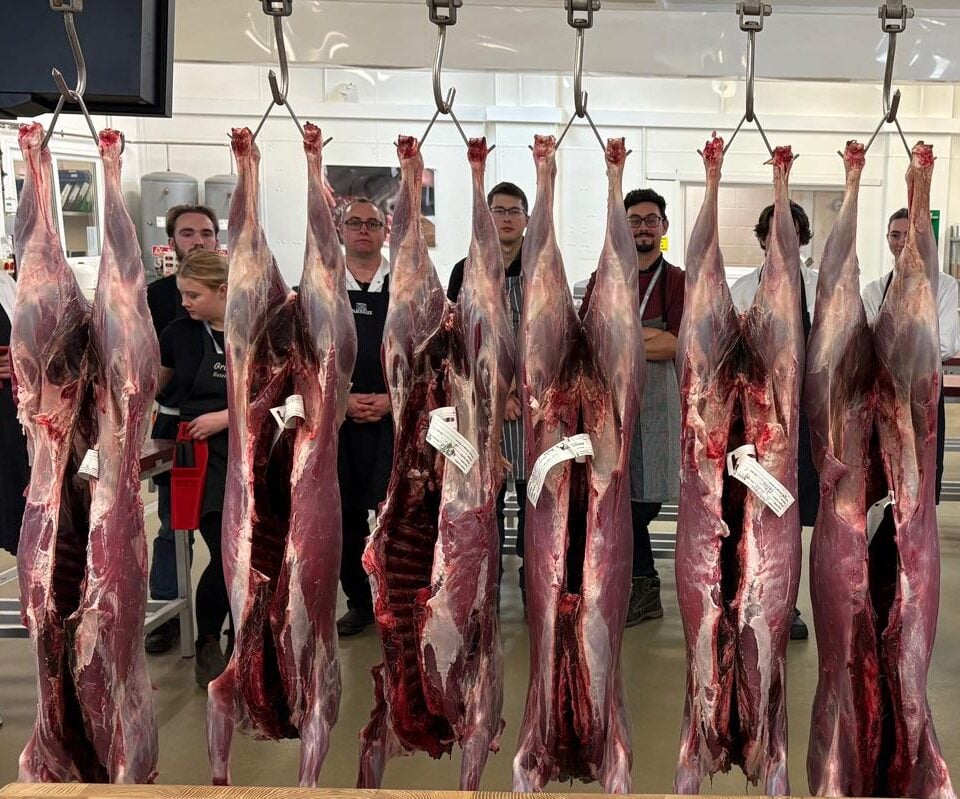
Topics range from the Deer Night Shooting Licence qualification, how to set up a venison business, butchery, accessing grants and funding, or how to manage shoots across different estates.
Get in touch with Mark Smith to join our stalkers database to be the first to hear about these opportunities
How we help stalkers and deer managers
If you’re looking for new stalking opportunities, low-cost training, networking events or practical help like shared facilities, we are here to help!
Please contact our deer coordinator Mark Smith to register for free on our stalkers database and join our growing High Weald deer management network.
Email Mark Smith, High Weald Deer Coordinator, or call us on 01424 723011.
Working with landowners
A good relationship between landowner and stalker, based on trust, clear communication and shared objectives, is essential for effective deer management.
Tip 1: Keep it simple and keep in touch
Agree from the start how you’ll keep in touch – a WhatsApp message before each visit works well for most people. Let your landowners know when you’re coming and where you will be.
Keep a record of every cull. Taking photos is helpful. At the end of the season, go through the numbers together and agree targets for next year.
Tip 2: Know your food handling rules
A good stalker treats a shot deer as a food product straight away. Gralloch it carefully – don’t leave gralloch within 20 metres of a stream and don’t pour blood or gralloch into a watercourse.
The carcass must be checked at gralloching by someone with a Large Game Trained Hunter qualification. It needs a completed carcass label before it goes anywhere.
Deer can be sold in small quantities directly to local restaurants, pubs or hotels, or to a non-retail game dealer or Approved Game Handling Establishment.
For more on selling venison, see our separate venison page.
Tip 3: Team up with other stalkers
Deer don’t stop at fences. If you can stalk with others on neighbouring land on the same morning or evening you’ll see far better results.
We can help you connect with other stalkers – just get in touch.
Shared carcass hubs
If you don’t have your own chiller there are three shared deer carcass hubs in and around the High Weald.
The hubs are chillers owned by one person but open to other stalkers to use. You drop off your carcass, it gets sold to a game dealer, and you get paid. Simple.
Using a communal hub means you don’t need to buy or run your own chiller. It gives you somewhere to take carcass when you need to, meaning you can stalk more, and it helps make sure your venison reaches local buyers and restaurants.
Currently there are hubs in Chailey/Wivelsfield, Rushlake Green and Horam. You can find information about hub locations and opening times in the link to the right.
How hubs work – step by step
1. Call the hub owner first: Check they have space and found out their payment rate (usually per kg). Ask about any deductions for shot placement and when you’ll get paid – usually within 10 to 30 days.
2. Visit before your first drop-off: Meet the owner and have a look around. Make sure you know where everything is and how the system works.
3. Bring your carcass during opening hours: The deer should usually already be gralloched. You’ll need your Large Game Meat Hygiene Certificate number – this is part of your DSC1.
4. Tag it, weigh it, hang it: Fill in a carcass tag (these are usually kept in the hub). Note the weight in the register and on the tag. Hang the carcass in the chiller.
5. Leave it tidy: Clean up, and make sure the hub is secure when you go.