
Wickerwood Wildlife Site: improving habitats in Horam
17 March 2021
The Wickerwood Wildlife Site has been created on the former Horam brickworks in East Sussex, thanks to grants from Sussex Lund (now the Nature and Community Fund). It is a 40-acre community land project designed to bring people closer to nature while enhancing biodiversity.
Led by Sacred Earth, a community interest organisation focused on nature connection and education, the project has set out to transform the ecologically rich but underused area into a welcoming and accessible wildlife destination.
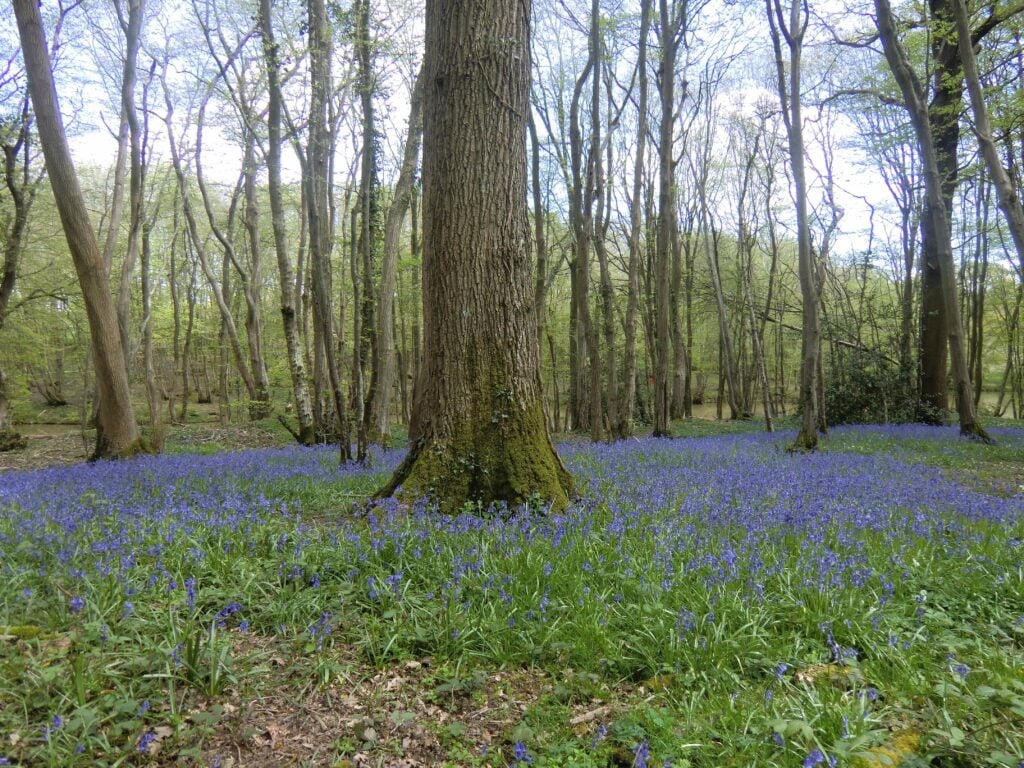
The site already supported a rich mosaic of habitats, including the largest pond and water bodies within a five-mile radius, as well as links to the Cuckmere river corridor and areas of ancient woodland. However, access was limited, and there was significant potential to improve habitats and strengthen connections between people and the natural world.
Enhancing ecological value
Funding from Sussex Lund has helped Sacred Earth open up the site and enhance its ecological value. The team have installed boardwalks and created pathways to enable safe access around wet areas, alongside a pond dipping deck to support education and wildlife observation. A major focus of the funding has been installing haloing around the site’s pre‑veteran oak trees, helping to protect these important features. The team also improved habitats for dormice, which have been regularly recorded on the site.
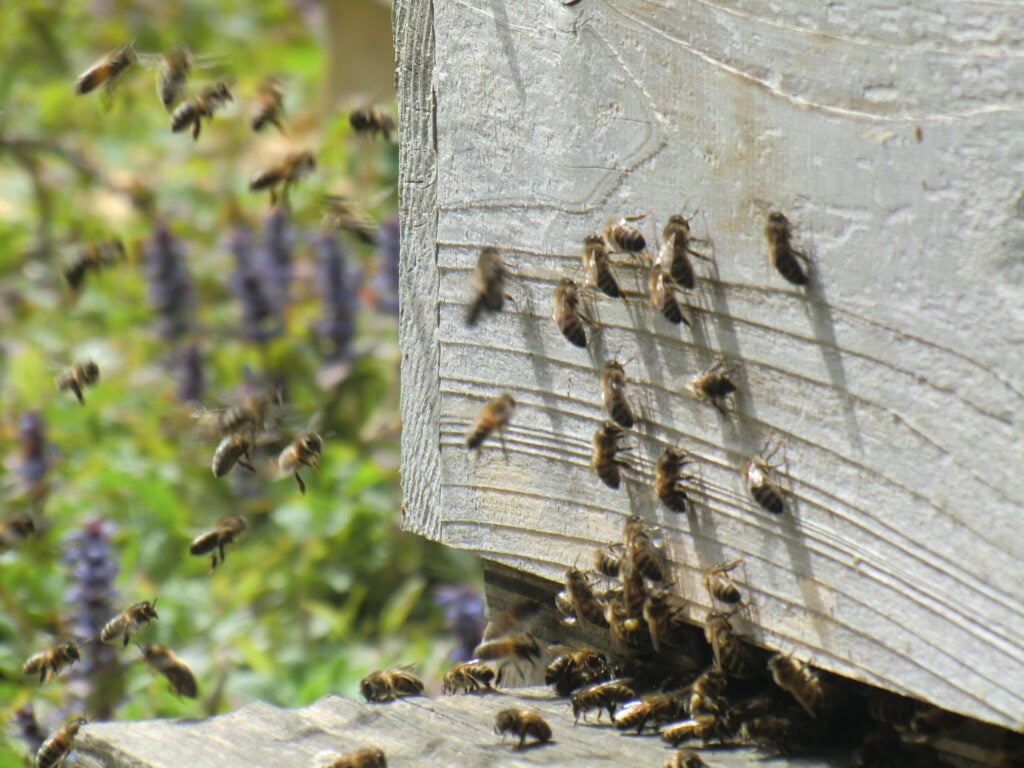
A later phase of the project has focused on creating biodiverse community orchards, combining habitat creation with local food production. New fruit and nut trees, wildflower meadow strips and a small apiary are helping to support pollinators, increase plant diversity and build local food resilience.
“Sacred Earth is an invaluable project. It reconnects people to the natural world, teaching them the inherent wisdom of flora and fauna and showing them how respect for our planet can safeguard it for generations to come. Most importantly, it helps participants to relax and find their peace.” Neighbour and volunteer
Improving access for people
Signage, gates and seating areas have been installed to create a better experience for people visiting the site. These have made it possible for more people to enjoy Wickerwood, including through volunteer days, facilitated nature sessions and informal recreation. With the Cuckoo Trail forming one of its boundaries, the site is directly connected to an established network of visitors, opening up new opportunities for engagement.
The project has delivered important benefits for wildlife by increasing habitat diversity, enhancing ponds and managing the surrounding landscape to support a wide range of species, including rare and endangered plants and animals already recorded in the area.
Community involvement has been important at Wickerwood. Volunteers have played a key role in creating and maintaining the site, gaining practical skills and building a lasting relationship with the landscape.
By combining habitat restoration with meaningful public access, Wickerwood Wildlife Site demonstrates how community-led projects can deliver lasting benefits for both nature and people, supporting biodiversity, natural capital and ecosystem services, alongside wellbeing and a deeper connection to the natural world