
High Weald Lund Fellowship: Stories of Regenerative Farming
23 March 2026
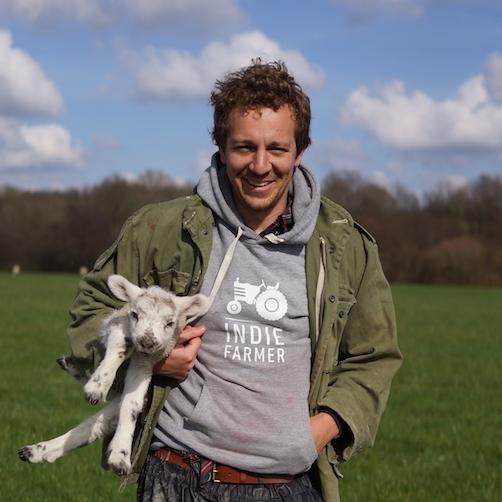
Nigel Akehurst was one of the first recipients of the High Weald Lund Fellowship. He has used the grant to document and share farmers’ experiences of regenerative farming, with the aim of inspiring and supporting the High Weald’s many young farmers who are embracing nature friendly farming practices.
The Indie Farmer
Nigel Akehurst is a third generation livestock farmer from Ninfield, East Sussex. He is also a journalist whose magazine Indie Farmer is a platform for small scale producers, growers and livestock keepers exploring new ways to farm regeneratively.
Nigel was awarded a High Weald Lund Fellowship in 2024 to research and explore people’s stories about regenerative farming in the High Weald. His aim was to celebrate and build enthusiasm and to help create the ‘mindset shift’ needed to make regenerative farming and nature restoration more mainstream.
For his Fellowship, Nigel is visiting 12 different farms across the High Weald to create 12 distinctive, personal stories through a mix of interviews, photography and short films. By spending time on farms and listening carefully to individual experiences, he is able to build a real rapport with farmers, encouraging open conversations about the realities of ethical agriculture — from its challenges and uncertainties to satisfactions and rewards.
All of the stories Nigel has documented are shared via his website and across social media, with a strong reach to younger farmers, who he hopes will embrace regenerative farming practices and carry out nature restoration projects on their farms.
Describing his Fellowship, Nigel said, “What struck me most was the quiet determination of farmers across the High Weald — people adapting their systems, restoring habitats and rethinking how their farms function, often without fanfare.
“Regenerative farming is not a fixed blueprint; it is a mindset rooted in observation, patience and a willingness to learn. By sharing these stories, I hope to show that positive change is already underway and that, together, farmers can help shape landscapes that are both productive and resilient for generations to come.”
Farmers’ stories
Growing enough: How Aweside Farm is rethinking resilience
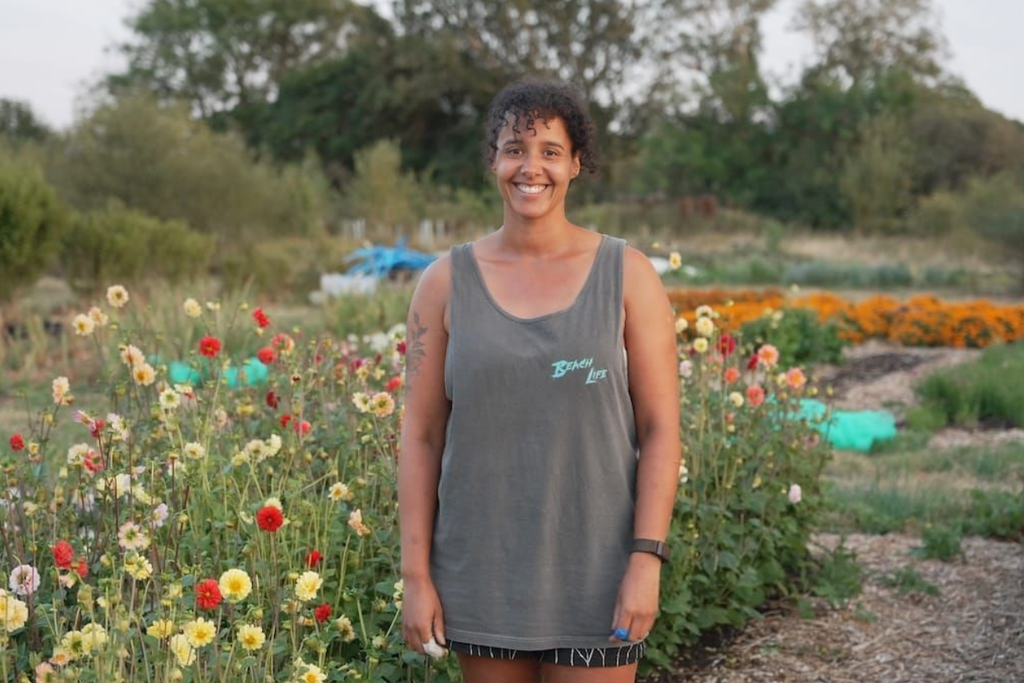
In the twelfth and final instalment of his Fellowship series, Nigel visited Aweside Farm near Arlington, East Sussex, where first-generation farmer Sinead Fenton is growing organic edible flowers, herbs and garnishes while rethinking how to build a more resilient farm, business and way of life.
From London to flower farming: growing a new life at Dusky Slug Flowers
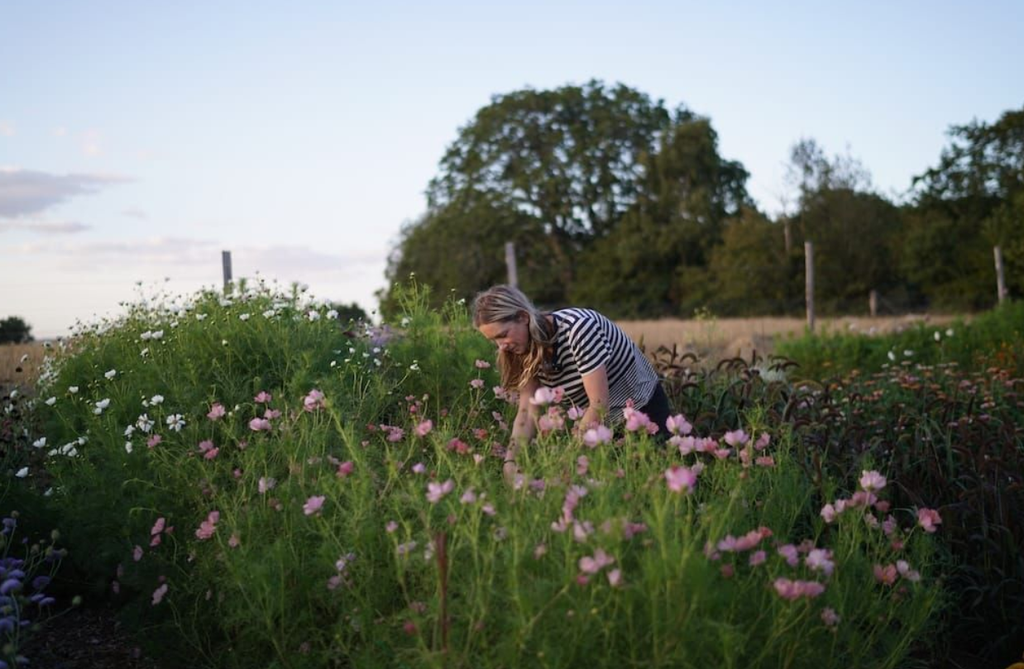
At Dusky Slug Flowers, in the High Weald National Landscape, near Staplecross, East Sussex, first-generation flower farmer Poppy Royds is building a small-scale cut flower business inspired by seasonality, biodiversity and a growing demand for locally grown British flowers.
How Tibbs Farm is Building Resilience through Diversity
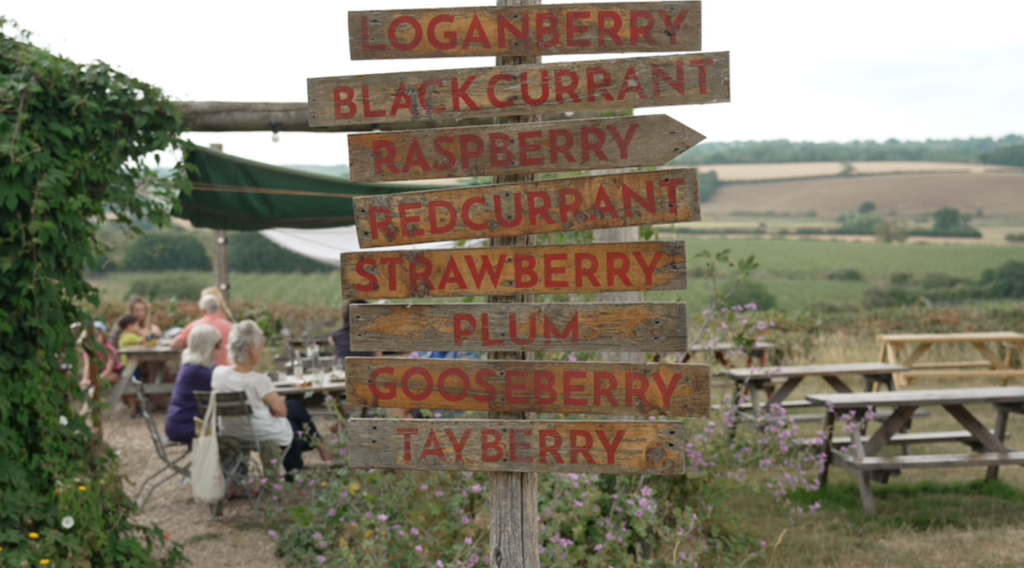
At Tibbs Farm near Udimore, East Sussex, brothers Simon and Phil Wheeler are building a more resilient family business by combining traditional farming with hospitality, direct sales and visitor experiences.
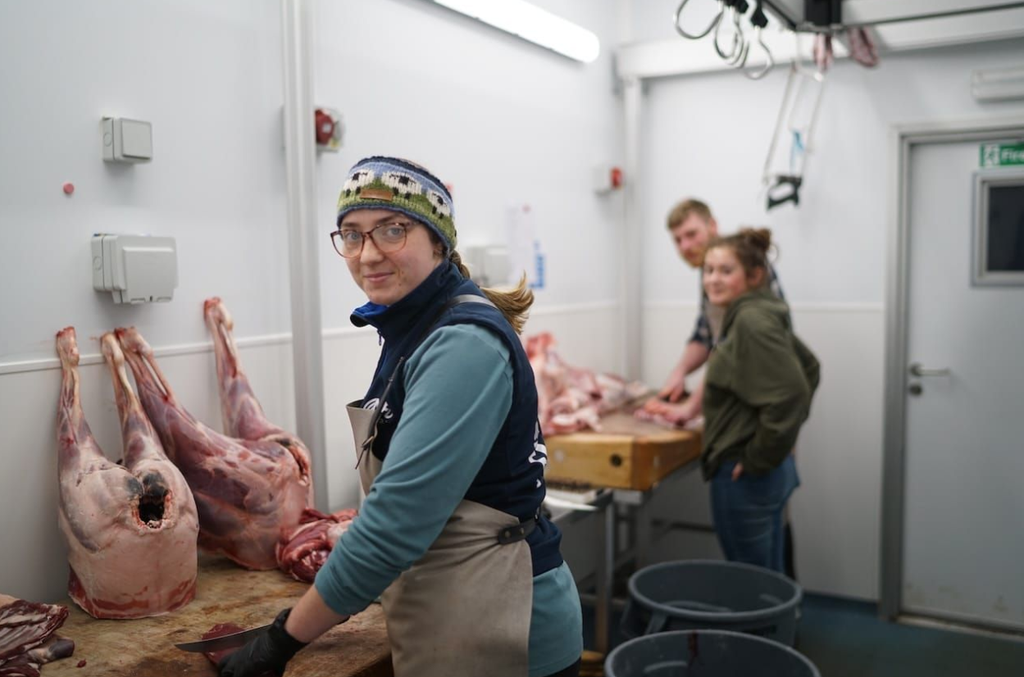
How Livestock Farms Add Value in the High Weald
In the ninth instalment of his twelve-part series supported by the Lund Trust and the High Weald National Landscape, Nigel visited Goodtrees Farm Butchers near Forest Row, East Sussex, to meet owner Ian Melluish and one of his butchers Josie Rollings to learn how they are building a business that reconnects livestock farming, local food and skilled butchery under one roof.
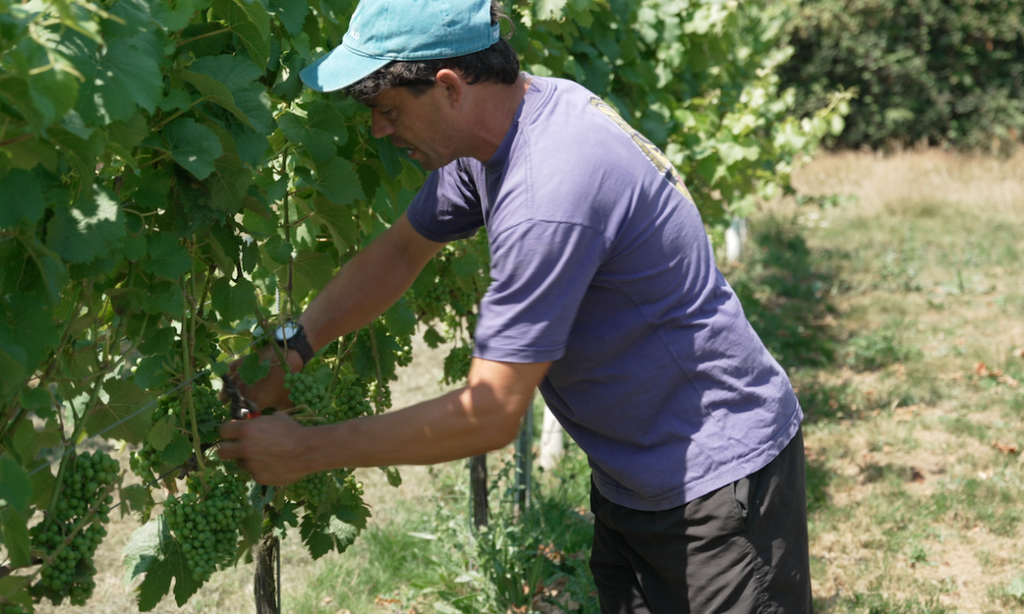
Philip Harris: Why England’s Smallest Vineyards may have the Brightest Future
Nigel visited Philip Harris at his organic vineyard near Hastings, East Sussex, to explore how a small-scale wine business is combining regenerative principles, biodiversity and thoughtful land stewardship to produce distinctive wines in the High Weald.
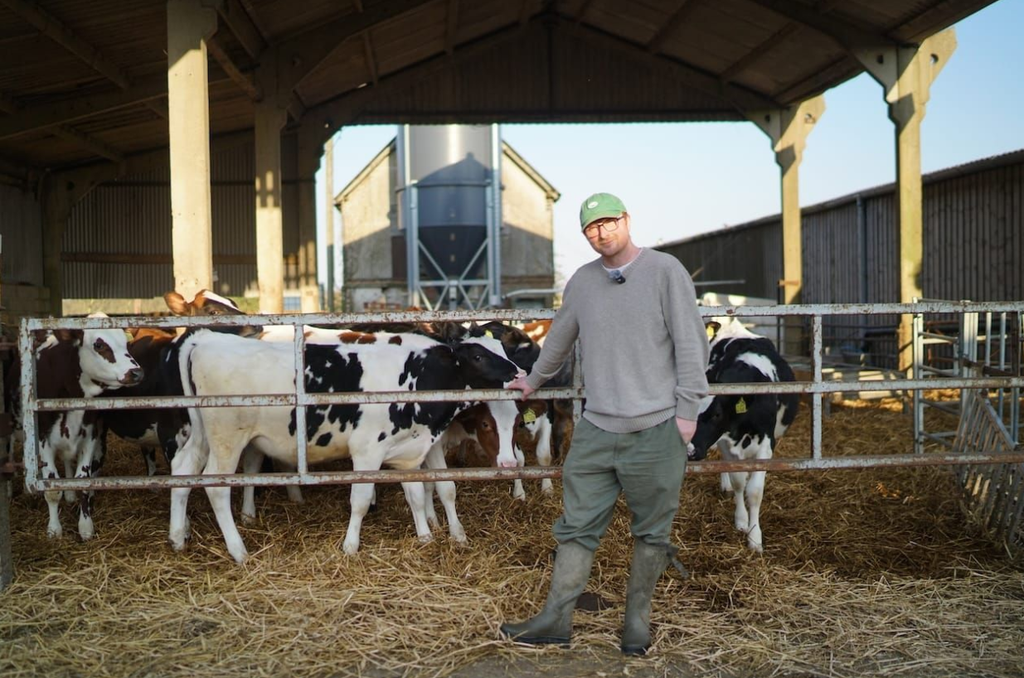
Holding it all together: Falconhurst Estate
In the seventh instalment of his twelve-part series, Nigel visited Falconhurst Estate near Markbeech, Kent, to spend time with George Talbot and understand how a mixed organic dairy and estate business is being shaped in practice.
Organic Dairy Farming in the High Weald
Nigel visits Cockhaise Farm near Haywards Heath, in East Sussex to spend a day with organic dairy farmer Dan Burdett, to learn how he is managing a 240-cow dairy herd while balancing environmental stewardship and the long-term future of the family farm.
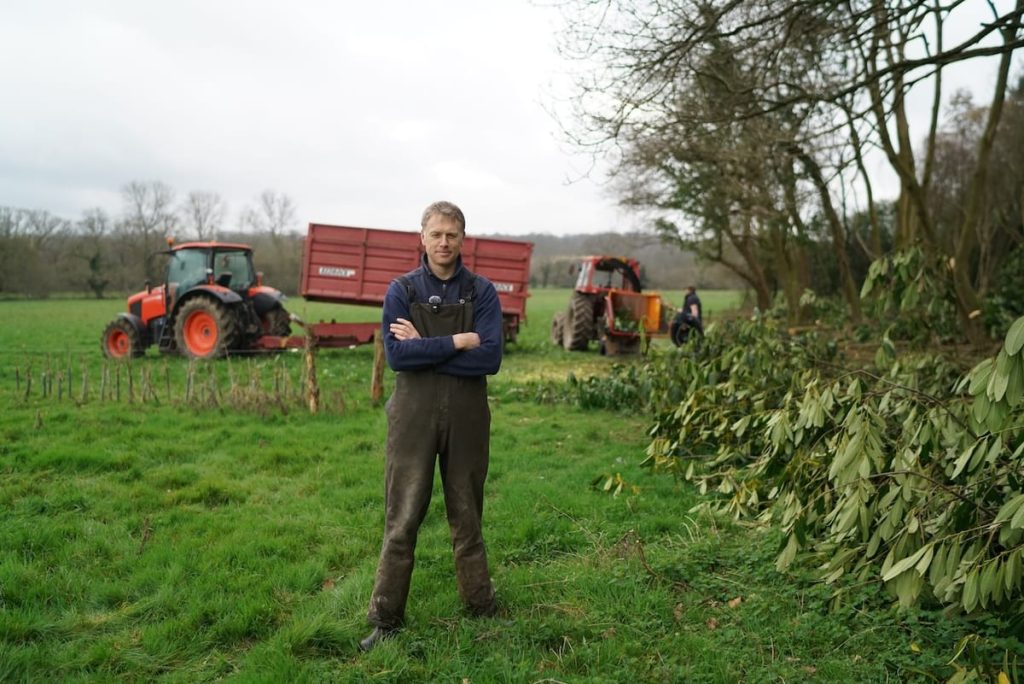
Farming by observation: Life below the surface at Lomas Farm
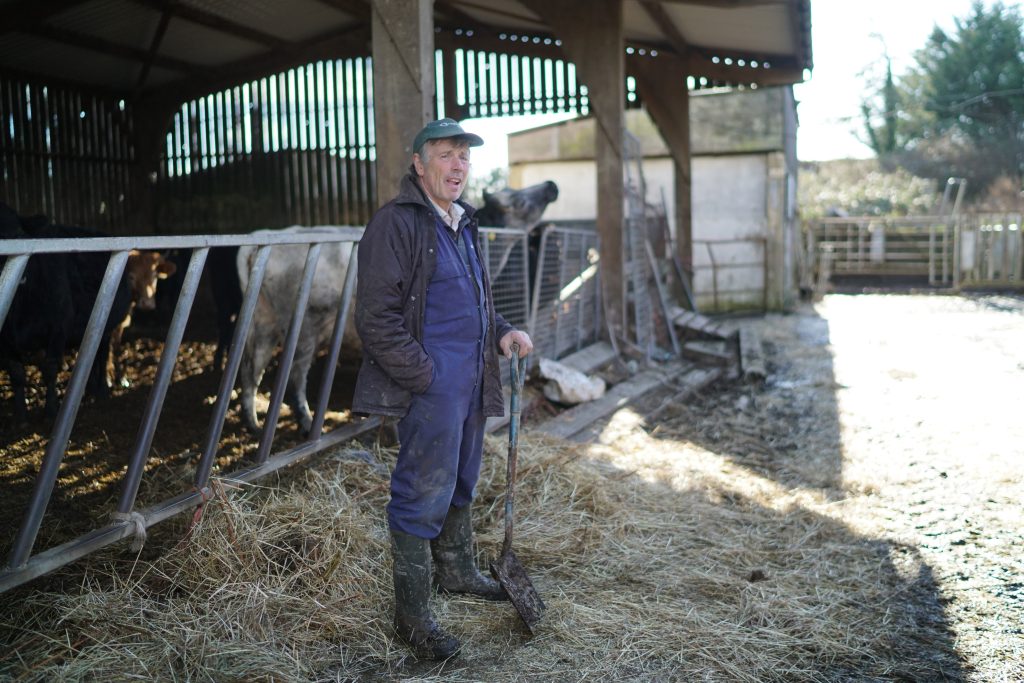
At Lomas Farm in Sandhurst, Kent, David Cornforth, expains how his passion for healthy soils and low input farming guides the management on his 120 acre farm.
Building a future on grass at Brightleigh Farm
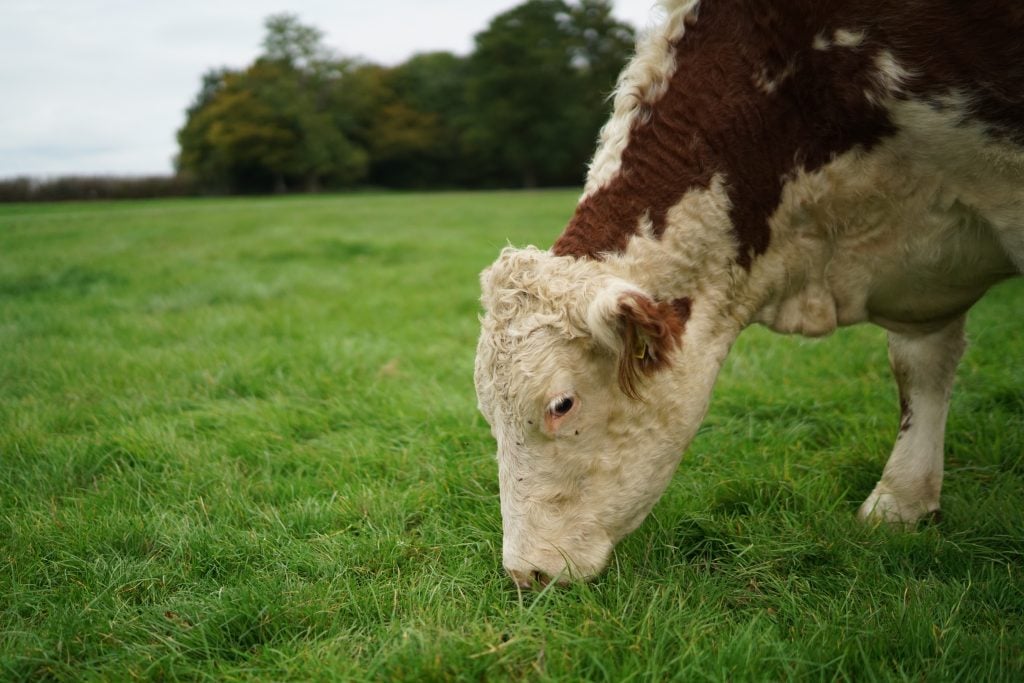
Brightleigh Farm is a mixed livestock holding near Outwood in Surrey. The farm produces 100 percent pasture fed beef, free range pork, poultry and eggs, all sold direct to customers through their on farm shop and a small number of local farmers markets.In the fourth instalment of his Lund Fellowship series, Nigel spent a day walking the land and talking with the family about pasture for life farming, selling direct and what it means to keep a small family farm going in uncertain times.
Starting from nothing with Lynnie Hutchinson at Brickpits Organic Farm
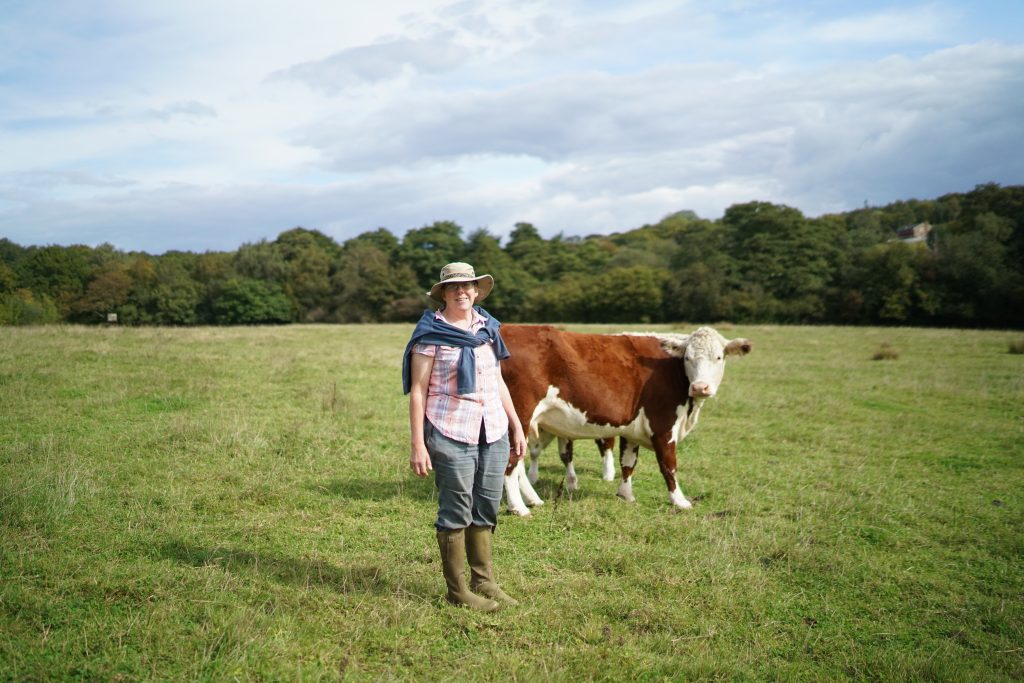
Brickpits Organic Farm, a 110-acre off-grid organic enterprise located in the High Weald near Uckfield in East Sussex, is no ordinary farm. Built from scratch in 1999 by Ian and Lynnie Hutchison it is now home to a patchwork of pastures, hand-planted hedgerows, beetle banks, wildlife ponds and a timber-framed eco farmhouse they constructed themselves. Off-grid and organic from the outset, Brickpits has become both a family home and a resilient small farm.
Nigel meets Lynnie Hutchison to learn what it truly takes to build a farm from scratch.
Grazing with nature: how Sam Newington is rethinking cattle farming at Limden Brook
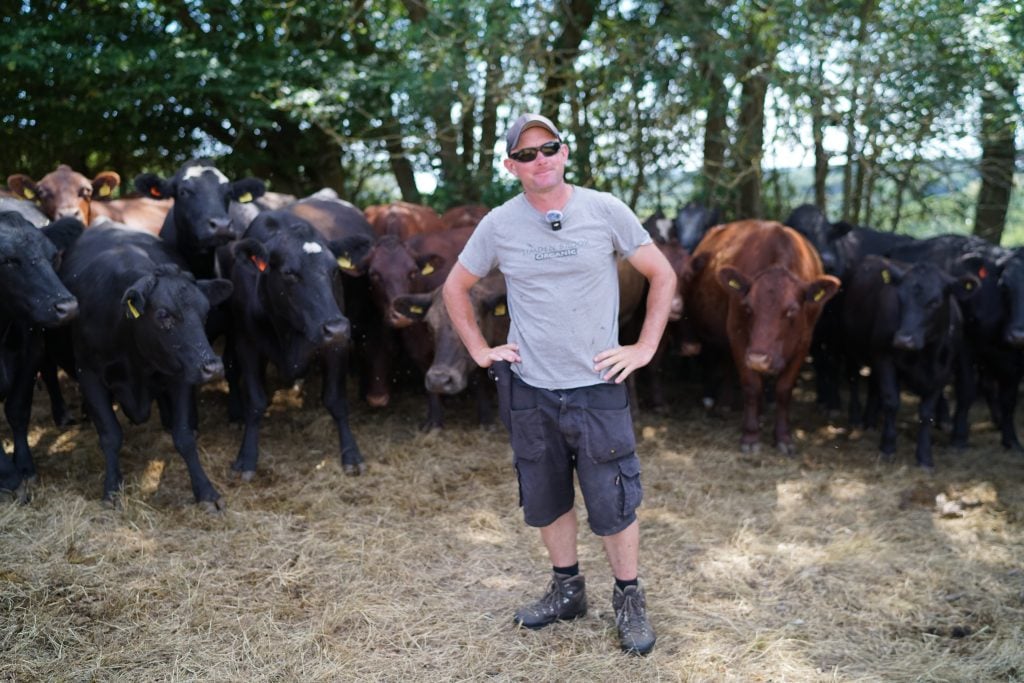
Limden Brook, a 450-acre farm of permanent pasture, floodplain meadows and wooded banks in the Limden Valley, has been home to the Newington family for more than 120 years. Today, fifth-generation farmer Sam Newington and his wife Becky run a herd of 55 suckler cows, producing 100% pasture-fed beef for local butchers and direct sales. Nigel meets them to discuss mob grazing, soil health, climate resilience and the challenges and opportunities facing family farms committed to working with natural cycles.
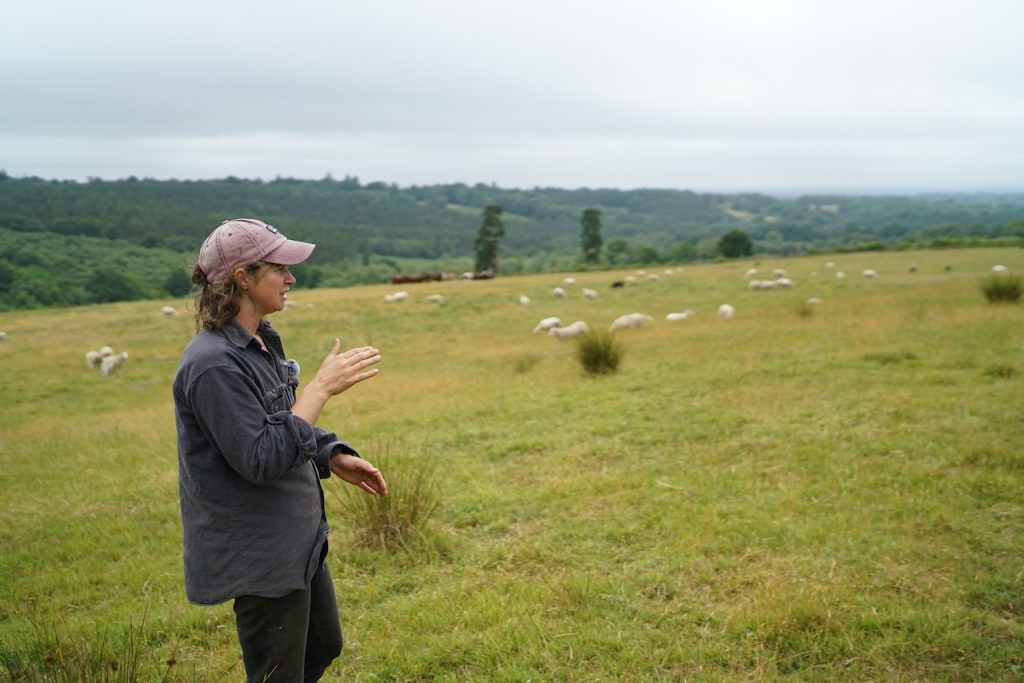
Sheep, sheepskins and shared responsibility: life on the land at Plaw Hatch Farm in Sussex
Plaw Hatch Farm, a 200-acre biodynamic co-operative on the edge of the Ashdown Forest in East Sussex, is no ordinary farm. Owned by more than 700 shareholders and run by a community of growers and livestock keepers, it is home to a thriving dairy, market garden, farm shop and butchery, as well as a flock of Romneys, Lleyns and crosses cared for by shepherd Gala Bailey-Barker. In the first of his twelve-part series produced for the Lund Fellowship, Indie Farmer Nigel Akehurst explores how this unique community enterprise approaches sheep farming, cooperative decision-making and regenerative grazing.